
Candidate titles (pick 1 of 3)
Three bookmark clicks every time you open a browser? This 77-star minimalist startpage deletes them
Change one HTML file to replace your browser homepage — druxorey/startpage takes 10 minutes from deploy to daily use
No extensions installed: I turned my browser homepage into a blank workbench
Three bookmark clicks every time you open a browser? This 77-star minimalist startpage deletes them
1. Opening: what if a tool already did this step for you…
What is the first thing you do when you open your browser every day? Click the address bar, type a URL, hit Enter? Or do you scan the bookmarks bar first, then click the target? The default Chrome homepage is a blank field, and the bookmarks bar is a wall of crowded folders. Those wasted clicks add up: at 10 seconds a day, that's 60 minutes a year — enough for two cups of coffee and a full email.
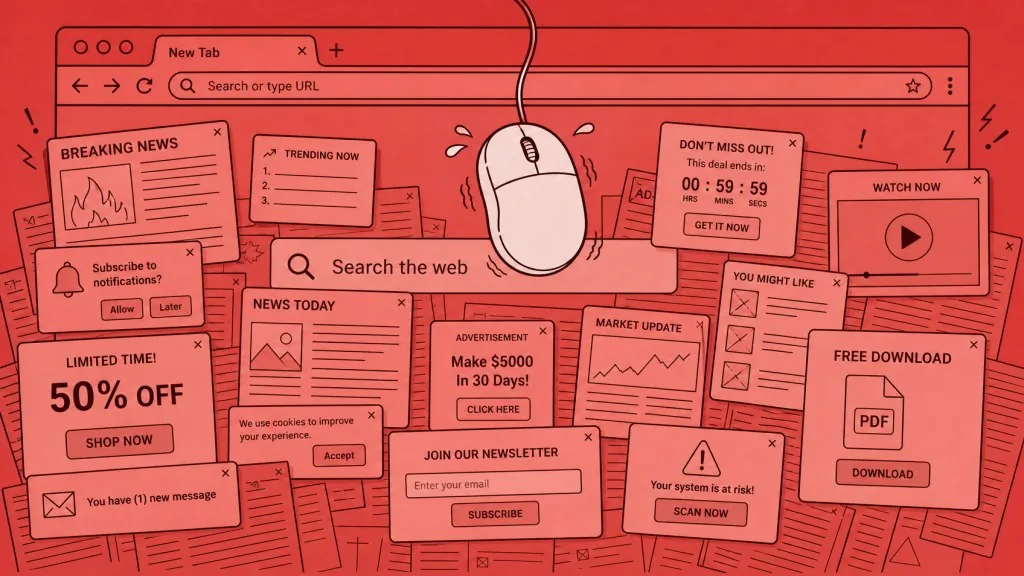
Worse, the built-in "new tab" page in mainstream browsers is stuffed with ads, news feeds and recommendations. It should be the doorway to your tools, and instead it behaves like a content feed app.
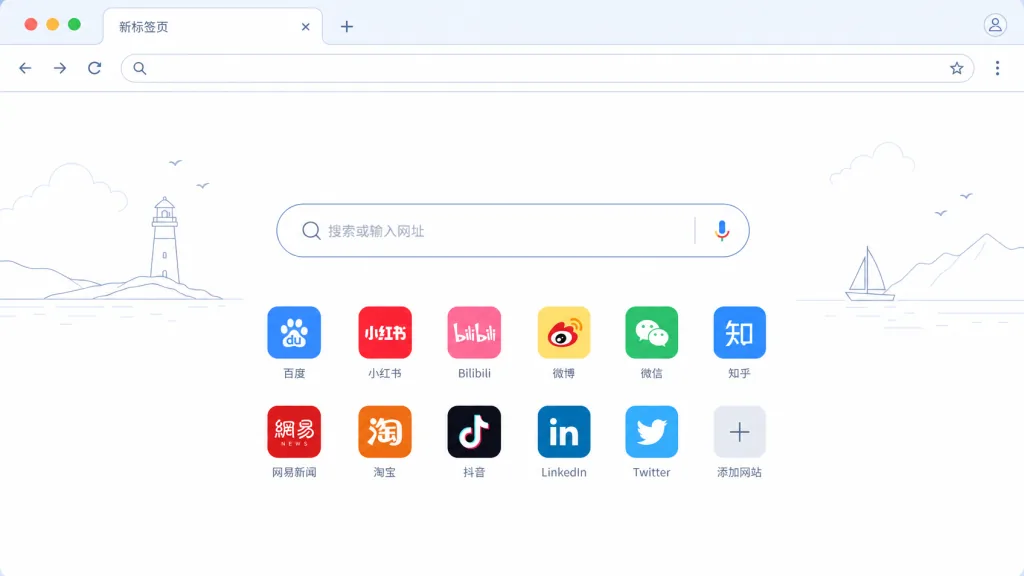
That's where a 77-star project called druxorey/startpage comes in. It does exactly one thing: turns the browser homepage into a clean dispatch center — search, frequently used sites, minimalist layout. No news, no recommendations, no distractions.
2. Project positioning: the problem it solves
Startpage is a minimalist browser start page. Its main language is CSS, and the whole thing is lightweight with zero dependencies. It gives you a search box and shortcuts to your frequently used sites, and it's built for keyboard-first operation.
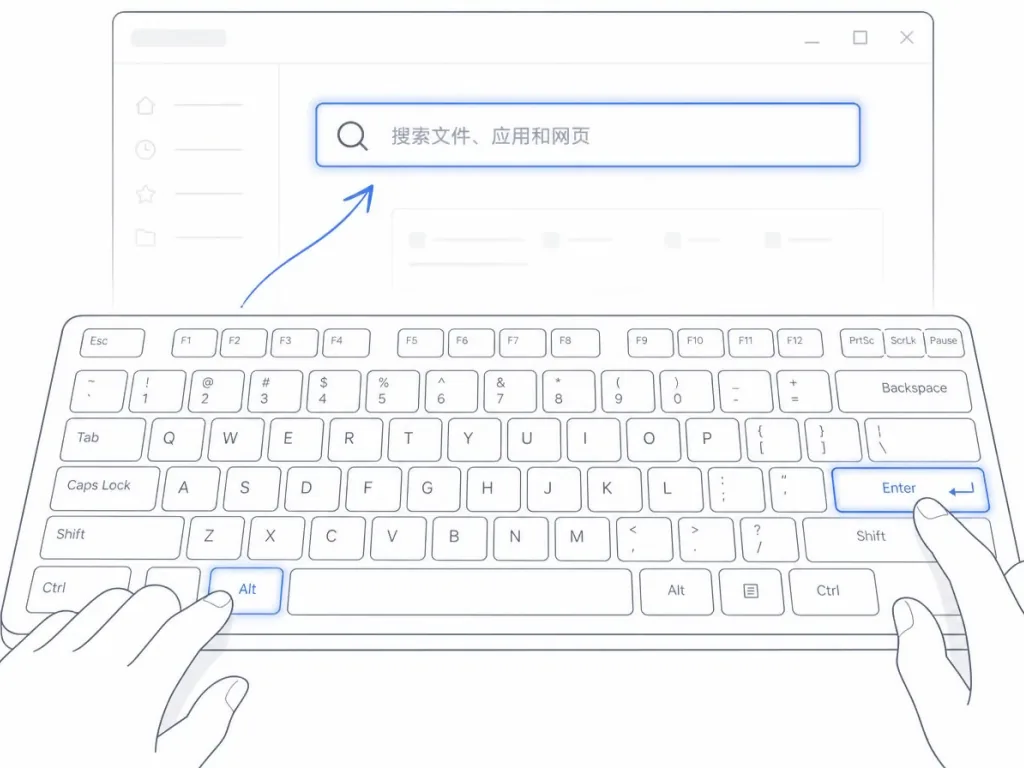
Four keywords define it: minimal (no superfluous elements), customizable (fork it, edit the HTML, change the links), keyboard-first (Alt + Space focuses search), and privacy-friendly (no data collection, no tracking scripts).
The project currently has 77 stars on GitHub and is still being iterated on; the latest screenshot in the repo is dated 2026-09-04. It wasn't built for multi-device sync or cloud config. It was built for a local experience: open it, use it, close it, leave no trace.
3. Core features in depth
1. Central search bar + shortcuts
The middle of the page is a search box: type a keyword, hit Enter, go. It defaults to Google. Below it is a customizable grid of frequently used sites, each tile an icon plus a name. The page has no scrollbar at all — search and navigation fit in one screen, which lands in the same territory as Google's minimalist style.
2. A fully keyboard-driven flow
The repo README lists four core shortcuts:
Alt + Space: focus the search box directly (no mouse trip to the center of the screen)Enter: run the searchCtrl + C: clear the search boxEscape: close the settings panel
This combo keeps both hands on the keyboard, so back-to-back searches stay smooth.
3. Customization workflow
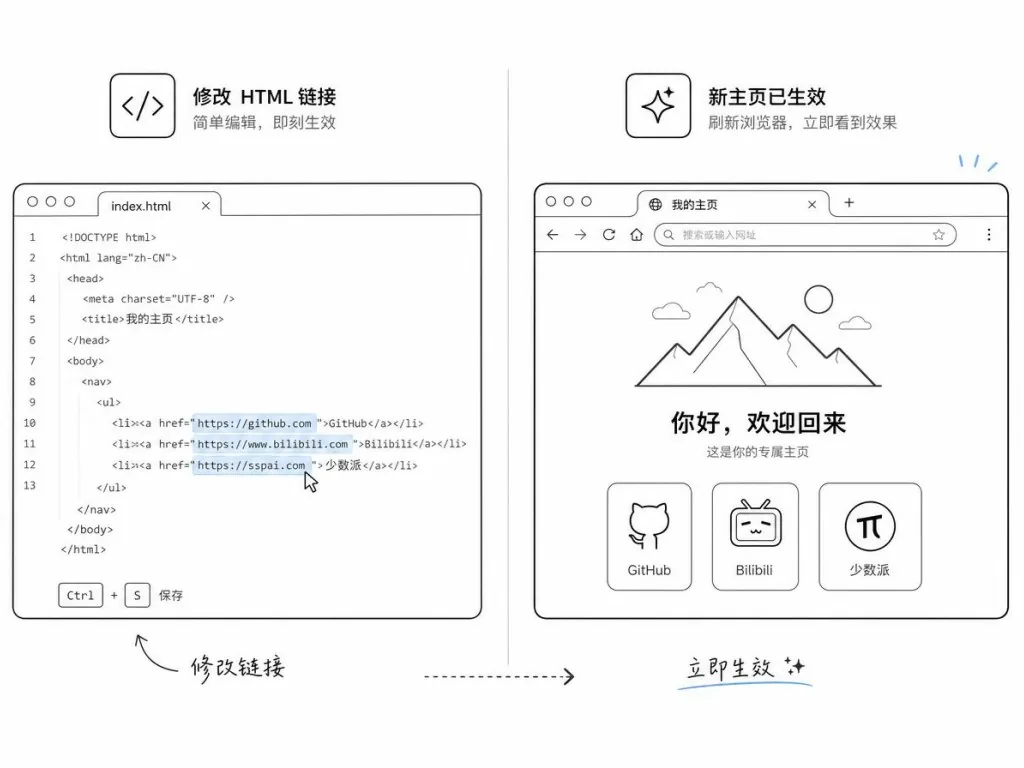
The author calls it a "personalized startpage." Customizing is dead simple: fork the repo, edit the link list in index.html, refresh the browser. There is no frontend build tooling — changes take effect immediately, with no Node.js, Webpack or npm install. You're productive in 30 seconds.
4. Cross-browser compatibility
The Setup section of the README spells out the settings paths for Firefox and Chrome/Chromium/Brave: on Firefox it's "Settings > Home > Homepage and new windows," on Chrome-family browsers it's "Settings > Appearance > Show home button." Every mainstream browser is covered.
4. Technical highlights and performance
For a minimalist project whose main language is CSS, the technical story comes down to two words: light and stable.
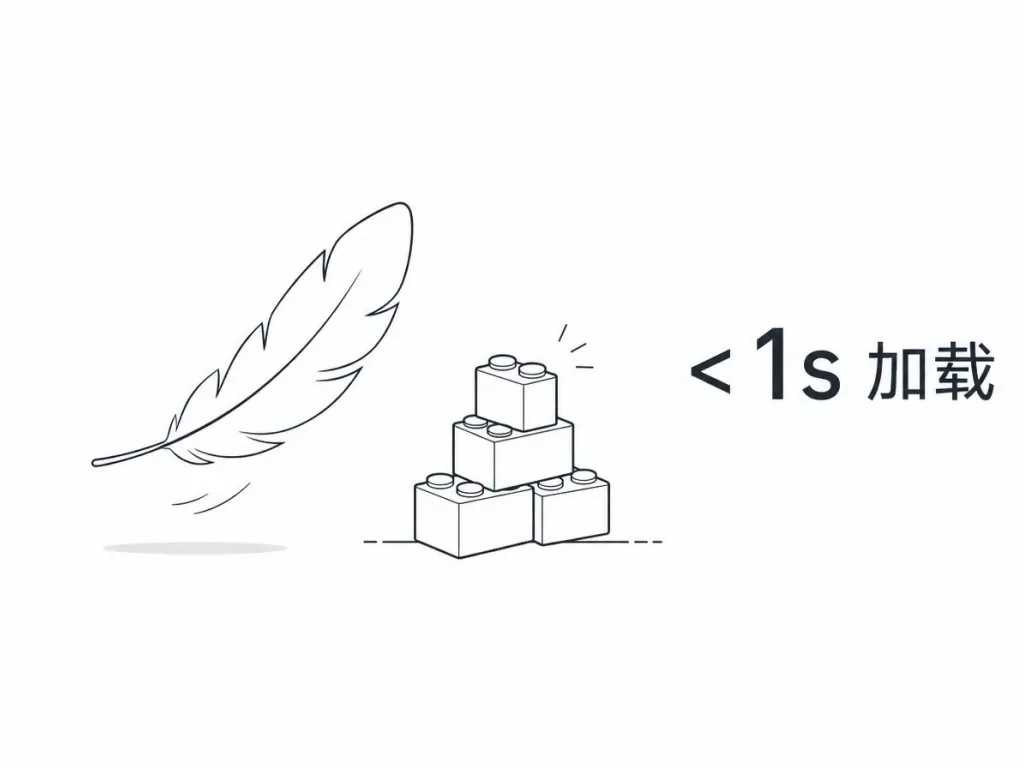
- Tiny footprint: the entire repo (HTML + CSS + JS + assets) is only a few MB, so loading is essentially instant
- Zero runtime dependencies: no React, no Vue, no backend API — a single HTML file runs the whole thing
- Pure static deployment: supports GitHub Pages (the project itself is hosted at
druxorey.github.io/startpage/), and you can drop it on any static host - Native keyboard bindings: raw JS listens for
keydowndirectly, avoiding any framework overhead
Compared with start pages that bundle weather, news or to-dos, this one chooses "less is more."
5. Use cases and audience
Who it's for:
- Developers who live on the keyboard and care about input efficiency
- Users who want a work console at the browser homepage instead of a content feed
- People who like minimalist design and don't want recommendation algorithms in their face
- Teams that want a zero-cost, low-maintenance browser homepage
Who it's not for:
- Heavy multi-device users who need bookmark/config sync across devices (pick something with cloud sync, like Raindrop or Speed Dial)
- Customization enthusiasts who want weather, news and greeting widgets (this project is just blank space, links and search)
- Complete beginners who don't want to touch HTML at all (it's simple, but you still have to fork and edit a file)
6. Comparison with alternatives
| Project | Size | Customization effort | Cloud sync | Highlights |
|---|---|---|---|---|
| druxorey/startpage | A few MB | Edit the HTML | No | Minimal, keyboard-first |
| Fxzii Startpage (inspiration) | Similar | Similar | No | Darker theme styling |
| Native new tab in mainstream browsers | — | Low | Yes | Built-in news/ads |
| Bookmark managers like Raindrop | Client | Medium | Yes | Heavy bookmark management |
The differentiator for druxorey/startpage is restraint. It doesn't do bookmark management, notes or weather. It only solves the path from opening the browser to typing a search or visiting a site.
7. Getting started quickly
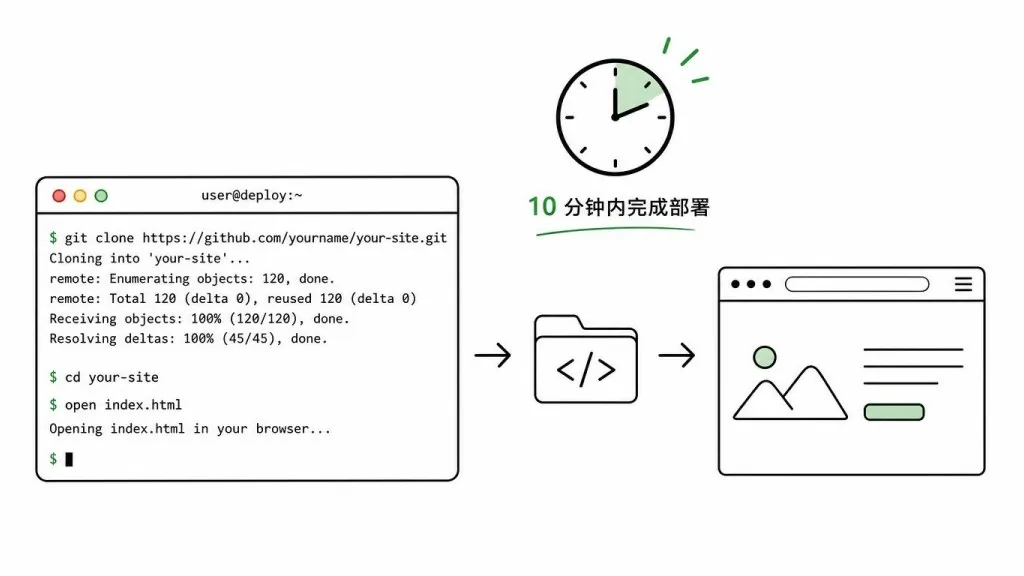
- Clone the repo:
git clone https://github.com/druxorey/startpage - Open
index.htmlin an editor and put your own URLs into the matching<a>tags - Open the HTML file in a browser to preview it
- Set your homepage to that file path in browser settings (or deploy to GitHub Pages and use the live URL)
Going further: add a CSS theme that matches your browsing habits, like an eye-friendly warm background; or extend the JavaScript file with more shortcuts. All the source lives in the static/ and scripts/ directories, so the structure is clean and easy to change.
8. Takeaways and next steps
druxorey/startpage isn't a powerful tool — it's a just-right tool. With a minimalist layout, an editable link list and keyboard-first operation, it cuts "opening the browser" from 10 seconds down to 2.
If you're tired of the news feed and ad slots on your browser homepage, and you don't want a bloated bookmark extension, spend 10 minutes forking this project, restyle it, and enjoy a homepage that feels like a tool again.
- Repo: https://github.com/druxorey/startpage
- Live demo: https://druxorey.github.io/startpage/
- License: GPL-3.0
A homepage that collects no data is the only homepage that's really yours.
#startpage #Startpage #druxorey #Frontend #WebDev #OpenSource #GitHub