
1. Opening: why you need this tool
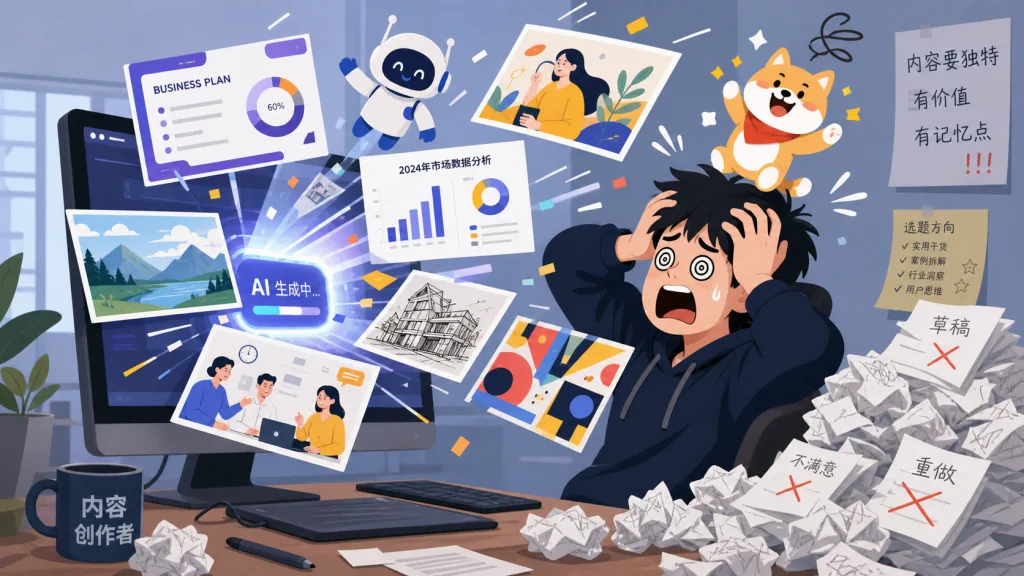
Anyone who writes long-form Chinese articles knows the pain: the piece is finished, and the illustration step stalls.
You open Midjourney or GPT-4o, type a prompt, and what comes back is either a PPT-style infographic, or a flat illustration polished to the point of having no personality, or some random mascot smiling in the corner.
Worse, what you want is not "a nice-looking image" but "an image of the core judgment in the article" — something like "trust is paved one piece of evidence at a time", that kind of cognitive move. AI doesn't get it, designers don't get it, and in the end you drop in a landscape photo with zero information gain just to fill the space.
helloianneo/ian-xiaohei-illustrations, with 9.3K stars on GitHub, solves exactly this problem: it is not a prompt collection but a Skill for the Codex Agent, built to turn the judgments, workflows, states and metaphors in Chinese articles into white-background, hand-drawn, weird-but-clean body illustrations.
2. What it is: one sentence
ian-xiaohei-illustrations is a Codex Skill that guides an AI agent to generate "weird Xiaohei body illustrations" for Chinese articles.
Four core features:
- 16:9 white-background hand-drawn style: pure white background, black hand-drawn line work, fine lines with a slight wobble — clearly distinct from PPT infographics and commercial illustration.
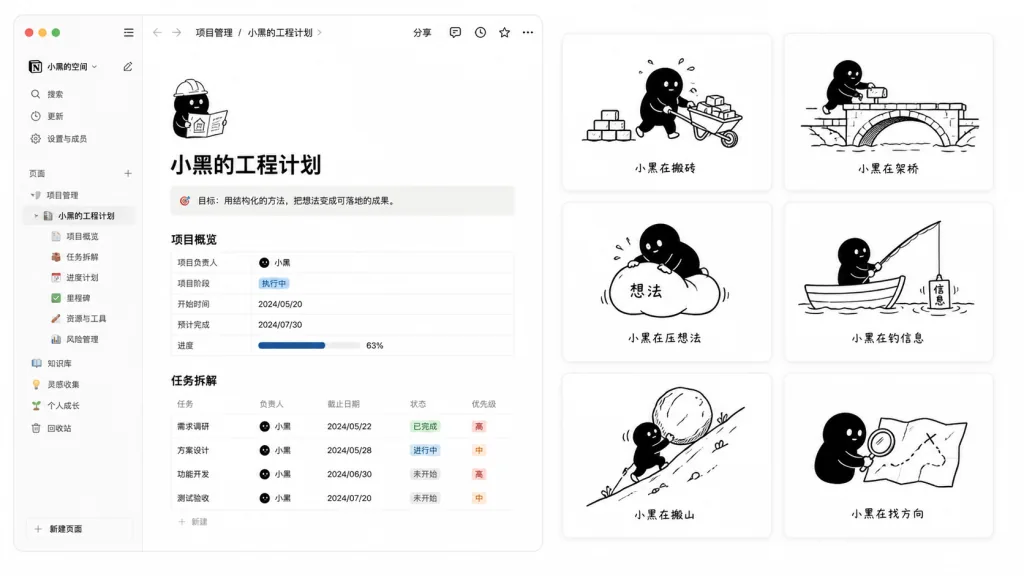
- Xiaohei carries the action: the default visual IP "Xiaohei" is a small character — solid black, white dot eyes, thin legs, blank expression — that carries the core cognitive action in the frame. It is not decoration.
- A few Chinese annotations in red, orange and blue: handwritten annotations are minimal and the palette is restrained; each image expresses exactly one core structure.
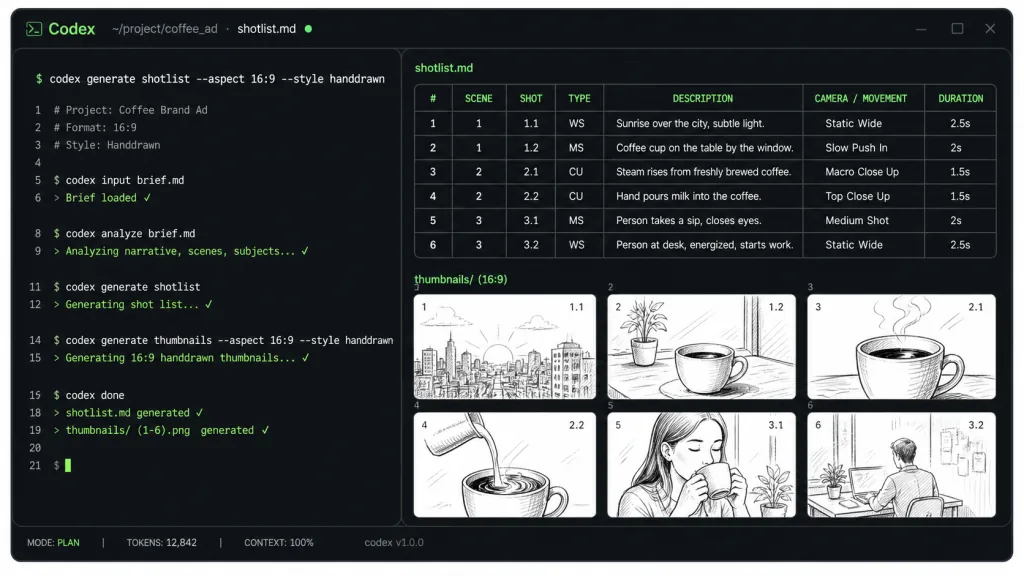
- Shot list before images: the Skill flow forces a planning list of 4-8 images (theme, core meaning, structure type, Xiaohei's action) before any image is generated.
The project has 9359 stars in total; together with the author Ian's companion projects ian-handdrawn-ppt and obsidian-ai-second-brain, it forms a complete content-production toolchain for a one-person AI company.
3. Core features in depth
1. Extracting cognitive anchors
Step one of the Skill is "read the article, find the anchors". It forces the AI to pick the passages that genuinely deserve an illustration — usually a cognitive turn, a process structure, a state comparison, or a visualizable metaphor. This mechanism avoids the useless output of "illustrating for the sake of illustrating".
2. Shot list first
Before generating images, the Skill requires the AI to output a complete shot list: which paragraph each image follows, what the theme is, the core meaning, the structure type (Workflow / system detail / before-after / character state / conceptual metaphor and 8 types in total), what Xiaohei is doing, and the suggested Chinese annotation words. This step turns "blind-box image generation" into "shooting from a script".
3. Reinventing physical metaphors
The Skill asks the AI to invent a new low-tech, weird but coherent physical metaphor for every image instead of reusing old cases. The example images — "one fish, many meals", "idea press", "information well", "trust bridge" — are each an independent little metaphor system. This constraint gives the images a memorable hook and binds them tightly to the article's content.
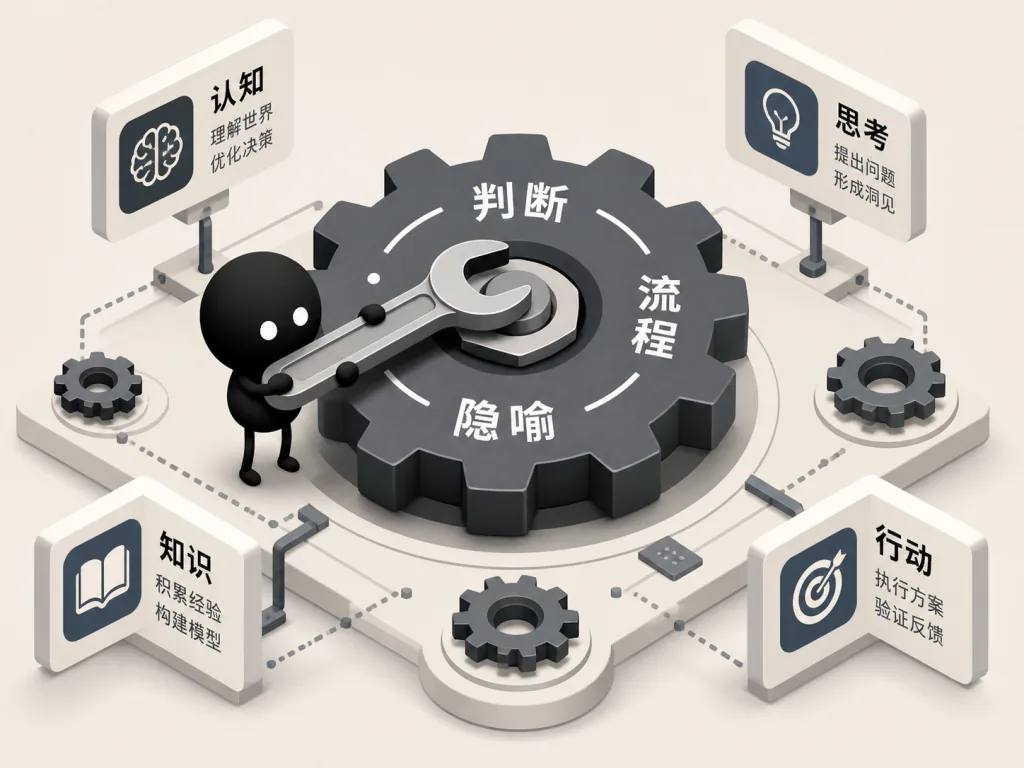
4. Xiaohei must carry the core action
This is the hardest rule in the Skill: "if the image still works completely without Xiaohei, then Xiaohei is too decorative." This QA rule guarantees that the Xiaohei IP is not a mascot sticker but an absurd worker taking part in the system's operation.
5. Non-PPT style constraints
The outputs the Skill explicitly forbids include: PPTX / PDF / Keynote, editable SVG / HTML graphics, commercial poster covers, and text-heavy infographics. What it wants is not a "universal image" but an "article-specific image".
6. Edit and regenerate workflow
For the problems common to AI images — typos, hallucinated labels, style drift — the Skill provides fine-grained editing commands such as "remove the title", "fewer annotation words" and "regenerate by paragraph", so users can iterate without throwing away the whole image.
4. Technical highlights and performance data
- Modular style DNA: five reference documents —
references/style-dna.md,xiaohei-ip.md,composition-patterns.md,prompt-template.md,qa-checklist.md— split the visual rules into independently maintainable modules. Adding a style or adjusting the whitespace ratio means editing one file. - 8 composition patterns: Workflow, system detail, before-after, character state, conceptual metaphor, layered method, map route, and mini comic panels — covering 90% of the visualization needs of technical and methodology articles.
- OpenAI Agent compatible: the repo ships
agents/openai.yaml, which Codex and compatible agent frameworks can load directly with no extra wrapper. - Open source under MIT: free for commercial use, modification and redistribution; together with the author's
Awesome Claude Code Skillsit forms an ecosystem. - Built-in QA checklist: white background, whitespace, Xiaohei's action, Chinese annotations, non-PPT feel, no reuse of old cases — six automatic checks written into
qa-checklist.mdand run against every generated image.
5. Use cases and audience
A great fit for:
- Knowledge-oriented WeChat accounts / bloggers: people writing long Chinese articles who need 4-8 consistently styled body illustrations, and those illustrations must deliver a cognitive gain.
- Methodology content creators: people working on AI workflows, indie making or content-production methodology who need to turn abstract judgments into visual metaphors.
- Notion / Obsidian knowledge-base users: people using AI to organize a personal knowledge base who want every document image to share one visual language.
Not a fit for:
- Design needs that call for commercial posters, brand key visuals or polished flat illustrations.
- Print material that requires editable vector source files (SVG/AI).
- Content that needs children's cartoons, cute IPs or sticker-pack styles.
6. Comparison with alternatives
| Project | Positioning | Visual style | Chinese support | Shot list flow |
|---|---|---|---|---|
| ian-xiaohei-illustrations | Body-illustration Skill for Chinese articles | 16:9 white-background hand-drawn, Xiaohei IP, weird | Native Chinese annotations | ✅ Required first |
| Generic Midjourney prompt collections | Illustration for every use case | Style varies | Weak | ❌ |
| Canva / Figma templates | Infographics / posters | Flat PPT style | Handwriting possible | ❌ |
| Napkin.ai and similar AI infographics | Structure diagrams / flowcharts | Modern flat | Weak | ❌ |
The core difference: ian-xiaohei-illustrations has extremely high visual recognition (one glance and you know it is "Xiaohei style"), and it turns the whole chain of "understand the article → invent a metaphor → visualize" into a standardized process rather than a one-off prompt.
7. Quick start
Install
Clone the repo and copy the skill subdirectory into the Codex skills directory:
git clone https://github.com/helloianneo/ian-xiaohei-illustrations.git
mkdir -p "${CODEX_HOME:-$HOME/.codex}/skills"
cp -R ./ian-xiaohei-illustrations/ian-xiaohei-illustrations "${CODEX_HOME:-$HOME/.codex}/skills/"
Minimal working example
Paste this into Codex:
Use $ian-xiaohei-illustrations to design and generate 5 weird Xiaohei body illustrations for this Chinese article.
If you only want the plan and no images yet:
Use $ian-xiaohei-illustrations, but don't generate images yet.
Analyze the article below, find the parts worth illustrating, and output a shot list of about 5 images.
Going further
- Keep Chinese annotations to 2-6 characters; that gives the lowest typo rate.
- When serious typos appear, first use a local "remove the wrong text" edit, then regenerate with fewer annotation words.
- Don't copy the compositions in
examples/images/; the example images are only for style calibration.
8. Summary and action items
ian-xiaohei-illustrations solves an overlooked pain point: what long-form Chinese articles lack in body illustrations is not "a nice-looking image" but "a visual language that draws the cognitive moves". As a Codex Skill, it turns "understand the article → shot list → physical metaphor → Xiaohei's action → QA" into a reusable, standardized process, and 9.3K stars confirm the demand for this workflow among Chinese content creators.
If you are a knowledge-oriented writer, a methodology blogger, or someone building a one-person company with AI, put it in your Codex skills directory and try a batch of 5 images on your next article.
- GitHub repo: https://github.com/helloianneo/ian-xiaohei-illustrations
- Author's homepage: https://www.ianneo.xyz
- Companion project:
ian-handdrawn-ppt(a Skill for hand-drawn PPT-style illustrations in Chinese)
One-line pitch: let AI draw the judgments in your article instead of attaching a nice-looking picture.