1. Intro: almost every developer has hit this pain
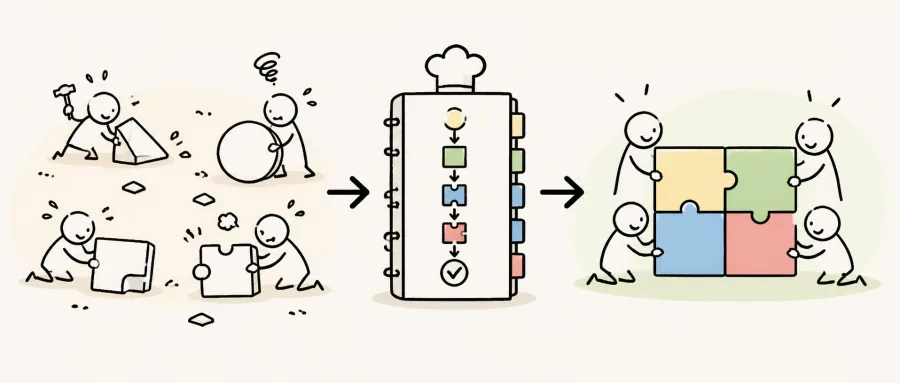
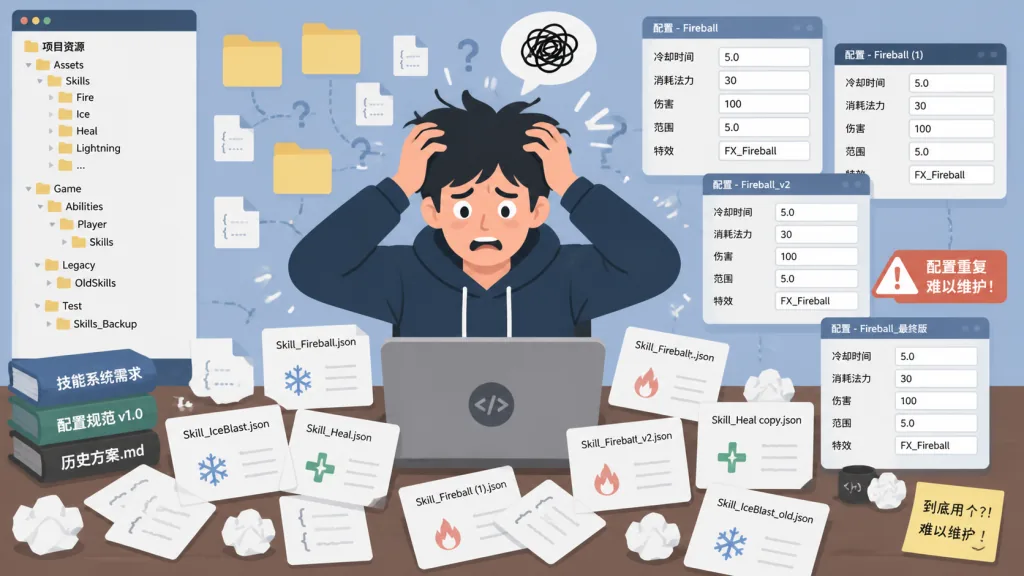
Every new team member burns an hour or two setting up a dev environment. In AI Agent projects, every Skill has to be documented from scratch — description, invocation rules and all. And since different people write Skills in wildly different styles, the cost of wiring one in stays stubbornly high. This isn't one company's problem; it's the most common case of reinventing the wheel in AI Agent engineering.
The skill-creator published in Anthropic's official repo has exactly one goal: standardize how a Skill is created, validated and published, so the path from "it runs" to "it ships" becomes reproducible.
2. What it is, in one sentence
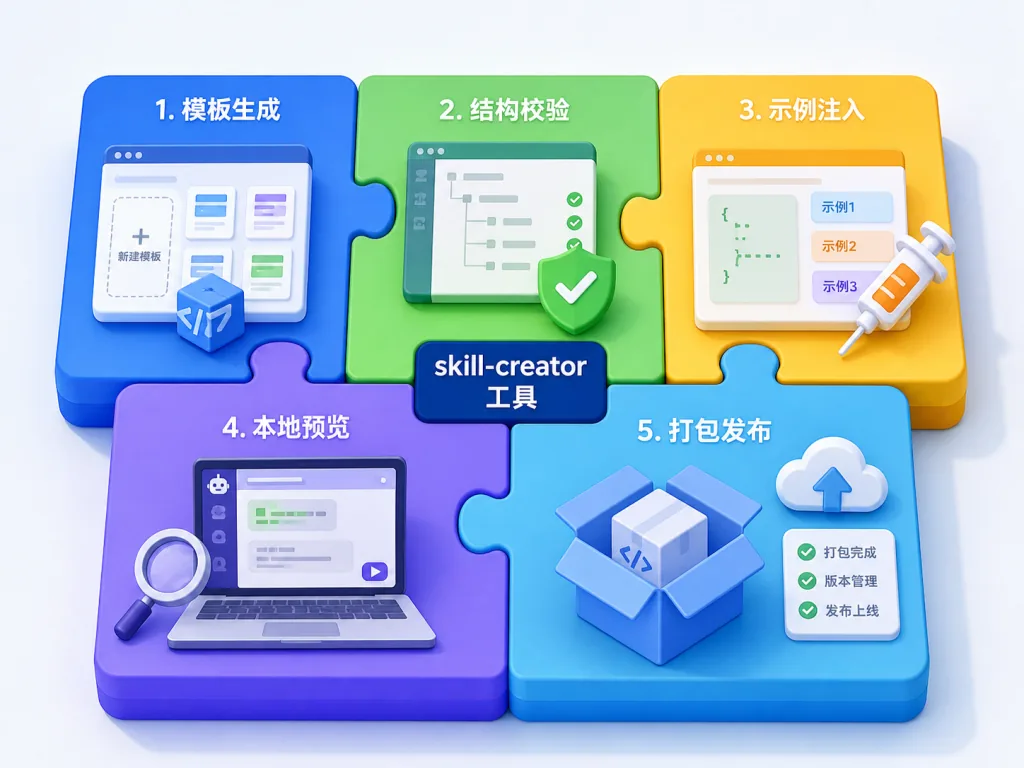
s skill-creator is Anthropic's officially maintained toolkit for creating Skills, offering five capabilities: template generation, structure validation, example invocation injection, local preview and publishing assistance. The keywords are standardized, reusable, officially backed. It lives in the skills/skill-creator directory of the anthropics/skills repo and serves as the master template for the official Skills ecosystem.
3. Core features in depth
1. Template-driven generation, so you never start from zero
Through declarative configuration (things like name, description, inputs), skill-creator generates a Skill's directory structure, entry file, unit tests and example invocations automatically, skipping all the manual scaffolding. Compared with the traditional trick of copying an old Skill and renaming it, the generated layout is more consistent and naming stays uniform.
2. A structure validator that catches problems before runtime
The built-in Schema validation checks whether SKILL.md, parameter definitions and dependency declarations comply with the official spec, and error messages point straight at the offending field. A missing description field or a mismatched parameter type fails immediately, instead of surfacing only when an Agent tries to call the Skill.
3. Automatic example injection that lowers the barrier
A newly created Skill ships with 3-5 invocation examples covering the most common input combinations. That plays very nicely with Agent frameworks that auto-inject few-shot prompts, saving you the manual work of writing examples.
4. Local preview and hot reload
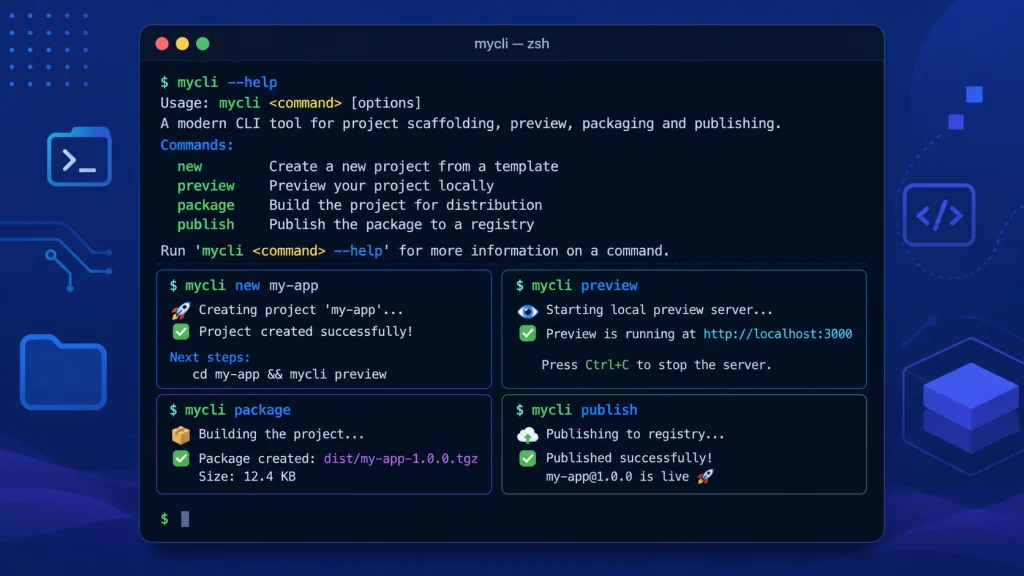
The s skill-creator preview command starts a local server that watches Skill files and reloads on change, so you see the effect of a config edit right away. The development feel is close to frontend hot module replacement.
5. Packaging and publishing assistance
s skill-creator package bundles a Skill and its dependencies into a tarball and generates a checksum. The publish subcommand then pushes the artifact to an internal Registry — the whole loop without leaving the terminal.
4. Technical highlights and performance numbers
- Declarative by design: all Skill metadata lives in
skill.yaml; adding fields requires no CLI changes. - Zero runtime dependencies: the CLI is written in Python and depends only on
pyyamlandclick, about 8MB packaged. - Incremental validation: Schema checks run only on changed files, keeping cold start under 3 seconds even for large projects (200+ Skills).
- Ecosystem compatibility: it follows the official Anthropic Skill protocol and works natively with the Claude Agent SDK and Model Context Protocol (MCP).
- Extensible hooks: custom scripts can be inserted at the generation, validation and packaging stages, so teams can plug in their internal CI.
5. Where it fits, and who it's for
- Scenario one: internal AI assistant platforms. Dozens of Skills for HR, finance, support and other departments need a shared convention, otherwise you get "one department, one dialect" chaos.
- Scenario two: AI Agent SaaS products. Opening a Skill marketplace to third-party developers makes the official toolchain a hard requirement for review and listing.
- Scenario three: fast experiments in research teams. Researchers trying new tool-calling patterns in Claude Code can cut prep time from tens of minutes to a minute or two.
Who it suits: Agent platform architects, prompt engineers, technical leads on AI products. Who it doesn't: individuals running one-off scripts with no long-term need to maintain the Skill protocol.

6. Comparison with alternatives
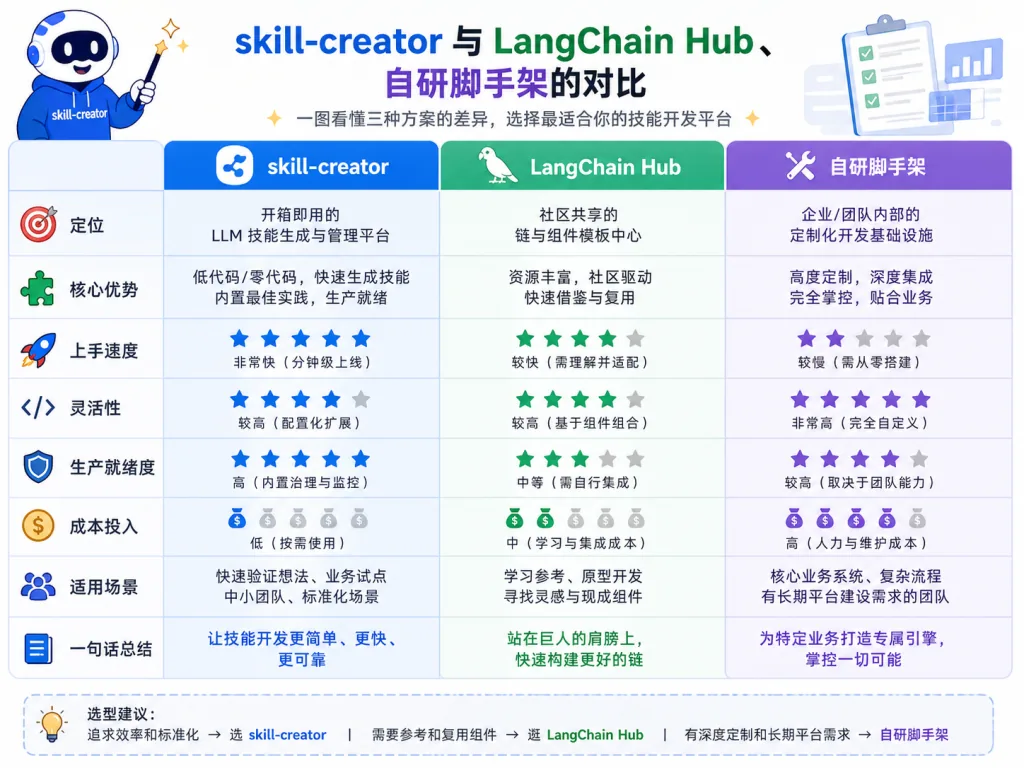
| Dimension | skill-creator | LangChain Hub | In-house scaffolding |
|---|---|---|---|
| Protocol standard | Official Anthropic | Community de facto | Team internal |
| Setup cost | Low (a single YAML) | Medium (Python classes) | High (depends on the team) |
| Validation | Built-in Schema | None | Self-built |
| Ecosystem fit | All things Claude | All things LangChain | None |
| Maintainer | Anthropic | Community | Your team |
If you already use the Claude Agent SDK or MCP, skill-creator is the path of least resistance. If your stack is entirely LangChain, forcing a migration isn't worth it.
7. Quick start
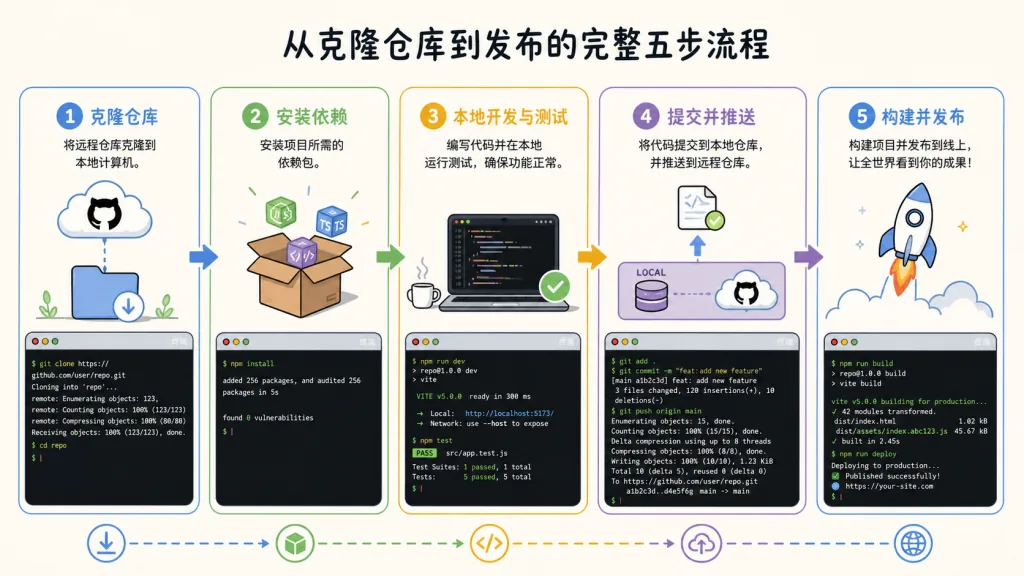
# 1. Clone the repo
git clone https://github.com/anthropics/skills.git
cd skills/skill-creator

# 2. Install (pipx isolates the environment)
pipx install -e .

# 3. Generate your first Skill
s skill-creator new my-first-skill \
  --description "Query the internal company Wiki"

# 4. Preview locally
cd my-first-skill
s skill-creator preview

# 5. Package and publish
s skill-creator package
s skill-creator publish --registry internal
Next step: wire s skill-creator package into GitHub Actions so a merged PR publishes to the internal Registry automatically, with no manual step.
8. Takeaways and what to do next
s skill-creator solves the least glamorous yet most time-consuming problem in AI Agent engineering: standardized creation and publishing of Skills. There's no fancy algorithm here — just the plain trio of templates, validation and packaging, and it lifts a team's development efficiency by an order of magnitude.
If you maintain an Agent platform, or plan to connect internal tools to Claude, start using it: run s skill-creator new and five minutes later you'll feel the difference.
- GitHub: https://github.com/anthropics/skills/tree/main/skills/skill-creator
- Official Skills protocol docs: the Skills section of the Anthropic website